Domain · 01
AI-Embedded Devices
Voice assistants, AI cameras, smart appliances, and LLM-powered copilots embedded in real products. We test trust calibration, hallucination tolerance, and cognitive offloading.
Embedded AITrustCopilot UX
◢ Usability Evaluation · Human-Centered Research · ISO 9241-210
CATT is an independent usability research lab evaluating the next generation of AI-embedded devices, autonomous robotics, and clinical-grade medical instruments — measuring how humans really use them, before the world does.
CATT — the Center for Advanced Technology and Testing — is a dedicated usability research institute working at the boundary of cognition, engineering, and clinical evidence. We design and run the studies that turn cutting-edge prototypes into products people can actually trust.
From large language model interfaces to bedside infusion pumps and collaborative robots, our researchers translate behavioural measurement into actionable design guidance — regulated, repeatable, and ruthlessly human-centered.
Each domain demands its own evidence — surgical safety thresholds differ from chatbot satisfaction. But the underlying science of human performance is one. We bring that science to every brief.
Voice assistants, AI cameras, smart appliances, and LLM-powered copilots embedded in real products. We test trust calibration, hallucination tolerance, and cognitive offloading.

Collaborative arms, surgical assistants, mobile platforms. Measuring shared autonomy, intent legibility, and physical safety.

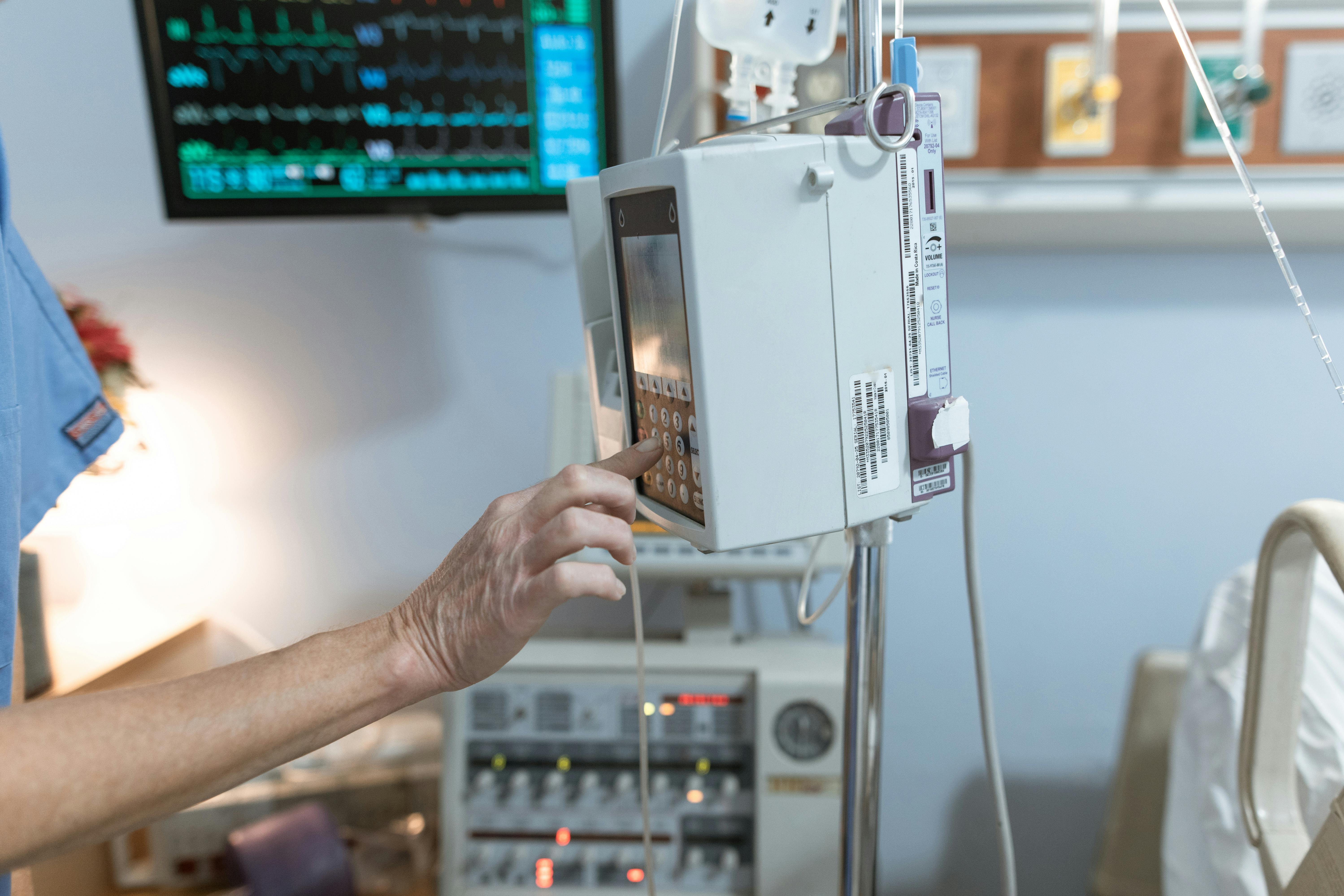
Formative and summative testing aligned to IEC 62366-1 and FDA HFE guidance. From infusion pumps to AI diagnostics.

Core HCI research: attention, cognitive load, embodied interaction, accessibility. The science under everything else we do.
We blend behavioural, physiological, and self-report measurement to triangulate what users do, what their bodies say, and what they think they did — because all three usually disagree.
1200Hz gaze, fixation, scanpath, and AOI analytics.
EEG · GSR · ECG · facial EMG synced to interaction.
Hierarchical task analysis, use-error scoring, root cause.
Nielsen, Schneiderman, plus domain-tuned heuristics.
Mental model probing, NASA-TLX, SART, situation awareness.
IEC 62366-1 aligned summative HFE studies, 15+ users.
Participatory design with clinicians, operators, end-users.
Longitudinal in-context studies with telemetry instrumentation.
Our facility houses six instrumented study rooms, a simulated operating theatre, and a remote testing infrastructure that reaches participants on four continents. Calibrated, observed, and recorded down to the millisecond.
Whether you have a prototype, a regulatory deadline, or just a tough human-factors question — share the shape of it. A senior researcher will reply with a scoped path forward.